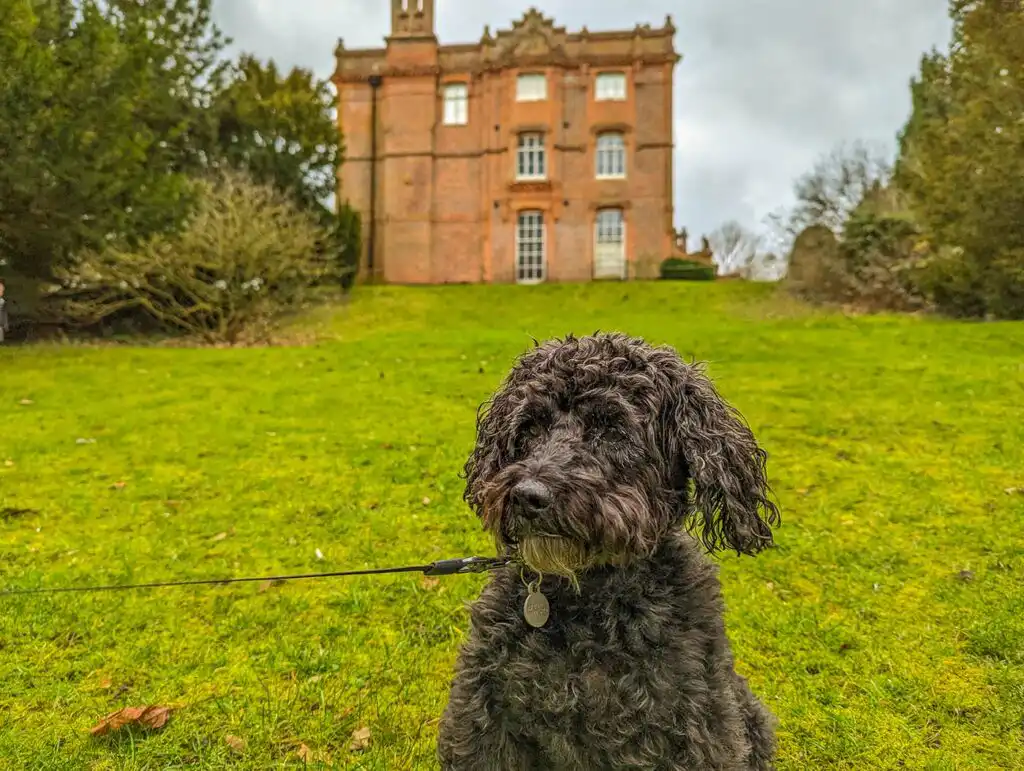
Travelling around the UK with a dog sounds simple, and sometimes it is. But if you’ve ever stood at the edge of a beach squinting at a council sign, or hesitated outside a pub wondering if dogs are “allowed today but not tomorrow”, you’ll know the rules aren’t always clear.
I’ve learned that dog-friendly in the UK doesn’t mean one thing. It changes by place type, region, season, and sometimes even by time of day. Let’s slow it all down and look at how it actually works, without the guesswork.
This isn’t about catching anyone out. It’s about helping you travel with confidence, knowing where you stand and why the rules exist in the first place.
Just a quick note before we start, this guide focuses on travelling with pet dogs. Registered assistance dogs have protected access rights, so the rules below don’t usually apply in the same way.
First Things First: There Is No Single “UK Dog Rule”
This is the bit most people don’t realise at first.
The UK doesn’t have one national set of dog-access rules for public places. Instead, permissions are controlled by:
- Local councils
- Landowners
- National bodies (like National Parks or heritage organisations)
- Individual businesses
That’s why two beaches next to each other can have completely different rules, and why a dog-friendly park in one county might require leads year-round in another.
Once you understand that, everything else starts to make more sense.
Beaches: Seasonal, Local, and Often Misunderstood
Beaches are probably the biggest source of confusion.
How beach dog rules usually work
Most UK beaches operate on seasonal restrictions set by the local council. A typical pattern is:
- Dogs allowed freely: autumn to spring
- Dogs restricted or banned: late spring to early autumn
But the exact dates vary by council. Some start restrictions in May, others in July. Some allow dogs only in certain sections of the beach, while others ban them for set hours in the day.
What to watch for
- Signs at beach entrances
- Time-based rules, as some beaches allow dogs early morning or evenings
- Partial bans are where one stretch is, and another is not
If a sign says dogs are banned, it’s enforceable. Councils can issue fines, and wardens do patrol in busy areas.
Parks, Commons and Green Spaces: Council-Controlled Land
Public parks feel informal, but most are governed by Public Space Protection Orders (PSPOs), previously called Dog Control Orders (DCOs).
What this means for dog owners
Councils can legally require:
- Dogs on leads in signed areas
- Dogs are excluded from play areas, sports pitches, or nature zones
- Compulsory lead rules during nesting or lambing seasons
- Limits on the number of dogs you have with you
You’ll often see this phrased as:
“Dogs must be kept on a lead when directed by signage.”
That wording gives councils flexibility and clearly puts responsibility on us to pay attention.
Most parks welcome dogs, but the conditions matter.
Countryside, Moorland and Farmland: Access Comes With Responsibility
This is where things get serious, especially if livestock is involved.
Key rules you should know
- Under the Countryside Code, owners must keep dogs under close control at all times
- Around livestock, leads are strongly expected and sometimes legally required
- During lambing season, leads aren’t optional
Landowners have the right to protect animals. If a dog worries livestock, farmers are legally allowed to act to protect their animals. It’s rare, but the law is clear.
Most countryside conflict is avoidable with one simple habit: clipping the lead on early.
Heritage Sites and Historic Properties: Owner Rules Apply
Places such as castles, ruins, stately homes, and historic gardens are subject to very different rules depending on who manages them.
Typical patterns
- Outdoor grounds: often dog-friendly, usually on leads
- Gardens: sometimes restricted
- Indoor spaces: historical buildings almost always ban dogs, except in areas of cafes
Organisations such as English Heritage, Cadw, and independent trusts set their own access rules. Even within the same organisation, policies can vary by site.
Here’s the key thing: if a property says dogs aren’t allowed in a particular area, it’s not negotiable. These places rely on conservation rules, not just preference.
Pubs, Cafes and Shops: It’s Not a Legal Right
This one surprises people.
There is no legal right to take a dog into a pub, cafe or shop (except assistance dogs). Even if a place advertises itself as dog-friendly, access is entirely at the owner’s discretion.
That’s why you might see:
- Dogs are allowed in the bar but not the restaurant
- Dogs are welcome outside only
- Well-behaved dogs only
Good dog-friendly venues usually make expectations clear, but when they don’t, asking politely is always the right move.
Assume a lead is required, and remember, being allowed in is a privilege, not a guarantee.
National Parks: Not One Rule, But Many
National Parks don’t override local law. They sit on top of it.
That means:
- Paths, commons and open access land often allow dogs
- Lead rules increase around wildlife, livestock and nesting areas
- Car parks, visitor centres and cafes follow their own policies
The name sounds official, but rules still change by location within the park.
Why the Rules Exist (And Why That Matters)
Most dog rules aren’t anti-dog. They’re about:
- Protecting wildlife
- Preventing livestock stress
- Managing heavy visitor numbers
- Keeping shared spaces usable for everyone
When we follow the rules calmly and consistently, it’s one of the strongest ways to protect dog access in the long term.
Every positive, responsible visit makes it easier for places to stay dog-friendly.
How to Travel Confidently With Your Dog in the UK
Here’s what I always come back to:
- Look for and read signs on arrival, even if you’ve checked online
- Carry a lead, even if you hope not to use it
- Expect variances depending on the season
- Respect local rules and when in doubt, choose caution over conflict
Dog-friendly travel in the UK works best when we treat it as a shared agreement rather than an entitlement.
This Confusion Is Exactly Why MyPAWfectPlace Exists
This constant uncertainty, the mixed signs, the changing rules, the “it depends” answers, is precisely why I created MyPAWfectPlace in the first place.
When you’re travelling with a dog, you shouldn’t have to dig through council PDFs, second-guess Facebook comments, or hope the rules haven’t changed since the last blog post you read. You want to know, clearly and honestly, what’s allowed right now and what to expect when you arrive.
MyPAWfectPlace exists to slice through that maze.
Every place is viewed through a dog owner’s lens. Not just “are dogs allowed?” but:
- Do you need a lead?
- Are there seasonal changes?
- Is livestock an issue?
- What catches people out when they arrive?
It’s about turning hard-to-find rules into usable guidance so you can focus less on enjoying the visit with your dog by your side.
Dog-friendly travel shouldn’t feel like a test you didn’t revise for.
Why Community Input Matters (and How MyPAWfectPlace Stays Current)
One of the hardest parts of dog-friendly travel in the UK is that the rules change. Seasons shift. Councils update policies. A pub that welcomed dogs last year might quietly change its layout, or a beach restriction date might move by a few weeks.
That’s why MyPAWfectPlace isn’t built on one person’s knowledge alone.
Alongside research and first-hand visits, our platform is shaped by a community of dog owners who are out and about every day. Adding new locations, flag changes they’ve spotted, and leaving PAWprint reviews that reflect authentic, recent experiences.
Those small updates matter.
- A new sign at a car park.
- A lead-only notice during lambing season.
- A pub that now welcomes dogs in the bar.
Community input helps turn rules into guidance, adding balance. One person’s visit is a snapshot, whilst many visits, shared over time, paint a clearer picture of what’s actually happening.
If you notice something that’s changed, or you’ve had an experience that might help the next person, adding your PAWprint note/review keeps the information fresh and helps other dog owners travel with confidence.
Because the clearest guidance often comes from people like yourselves who were there last weekend.
The Bottom Line
The UK is genuinely one of the best places to explore with a dog, but only if we understand how the rules really work.
They’re local. They’re layered. And once you learn to read them, travelling becomes far less stressful and far more enjoyable.
And that’s the goal. More freedom. Less second-guessing. And walks that feel good for everyone involved.